We first met Marinda in the park across the street from the soup kitchen. She was with David, her common-law husband. They had already been living on the streets for several years and, besides using drugs themselves, there were rumours that they were dealing as well.
Marinda was painfully thin and looked far older than her 39 years. She had lost all her teeth, and the beauty she once possessed seemed to have been stolen by years of hardship and addiction. She looked fragile, worn down by life, and my heart immediately went out to her.
We offered them sandwiches and something to drink, which they gratefully accepted. As I squatted down to hand her the sandwich, she suddenly burst into tears and asked David to give her his phone. After scrolling through a few pictures, she handed it to me.
Through her tears she said, “This is what I looked like before the drugs.”
I looked at the photograph of a beautiful blonde woman who could easily have been a model, and my heart broke. The contrast between the woman in the picture and the woman sitting before me was almost impossible to comprehend.
She told us that she had once been married and had two boys. After her husband passed away unexpectedly, her life unravelled. Through a series of difficult circumstances, she became trapped in addiction and eventually found herself living on the streets. Her children were taken into government care and placed on a kibbutz near Haifa, but at least she was still allowed to visit them.
We continued to see Marinda and David during our outreaches to the street community in that part of Tel Aviv. Later, when we began serving regularly at the soup kitchen, we saw them every week.
Marinda’s name was one of the first names I remembered.
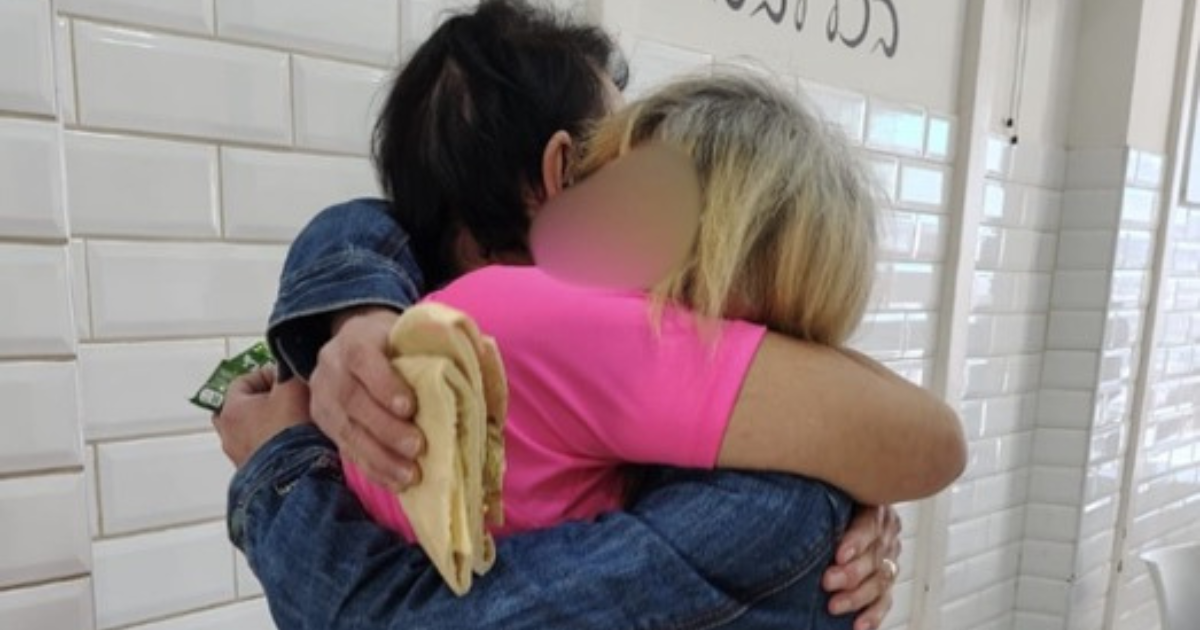
The first time she walked into the soup kitchen after that, I greeted her by name. I will never forget the look of surprise and joy that spread across her face. In that moment, she realised that someone knew who she was, that she mattered, and that she had not been forgotten. The truth is that she did matter to me. She touched my heart, and we genuinely cared about her.
And so a journey began a friendship.
Week after week she would share pieces of her life with me. There was the day she arrived with a black eye and bruises covering her frail body. When I gently asked who had hurt her, she answered only with her eyes, too frightened to say his name aloud.
There were happier moments too. She would stop by for a meal before travelling to visit her boys, the greatest source of joy in her life. Yet those visits also carried deep pain the pain and guilt of a mother who longed to care for her children, but whose addiction had taken her down a different road.
Two weeks before she died, she came in looking unusually troubled. We spoke for a while and eventually I asked, “Marinda, isn’t it time to talk about Yeshua? He is your only Hope.”
She looked at me and replied, “God, yes. Yeshua, no.”
Had I known how little time she had left, perhaps I would have pressed a little harder. But the future is not ours to see.
The last time I saw her, she was deeply distressed. She confided in me that she was pregnant and that David had left her. I held her tightly and tried to comfort her, but I was soon called back to the kitchen because Elias needed help.
I choose not to dwell on regrets, yet I do wish I had spent a little more time with her that day before she walked away, her small shoulders hunched beneath the weight of her pain.
Marinda’s life, and her death, taught us several important lessons.
Firstly, we are never guaranteed another opportunity to see any of these precious souls. Every conversation may be our last.
Secondly, it reminded me not to become irritated or impatient when someone is rude, difficult, or behaves badly. We never truly know the battles they are fighting, nor whether we will have another chance to show them the love and compassion of a Saviour who gave His own life for them.
Thirdly, it challenged me to keep love and compassion at the forefront of my heart—to be patient, kind, gentle, and slow to take offence; to bear with unkindness and rudeness; and to continue hoping and believing that one day each of these precious people will choose to exchange a life of darkness for a life lived in the light.
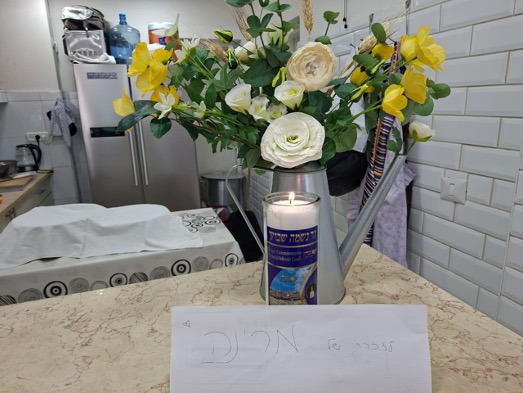
Marinda’s story did not end the way I would have wanted. Yet her life left a mark on mine, and I pray that I will never forget the lessons she taught me about compassion, dignity, and the value of every human soul.